
 Image 1 of 1
Habitat: Sandy, Sandy Loam, Medium Loam, Clay Loam, Clay
Flower Color: White, Green, Brown
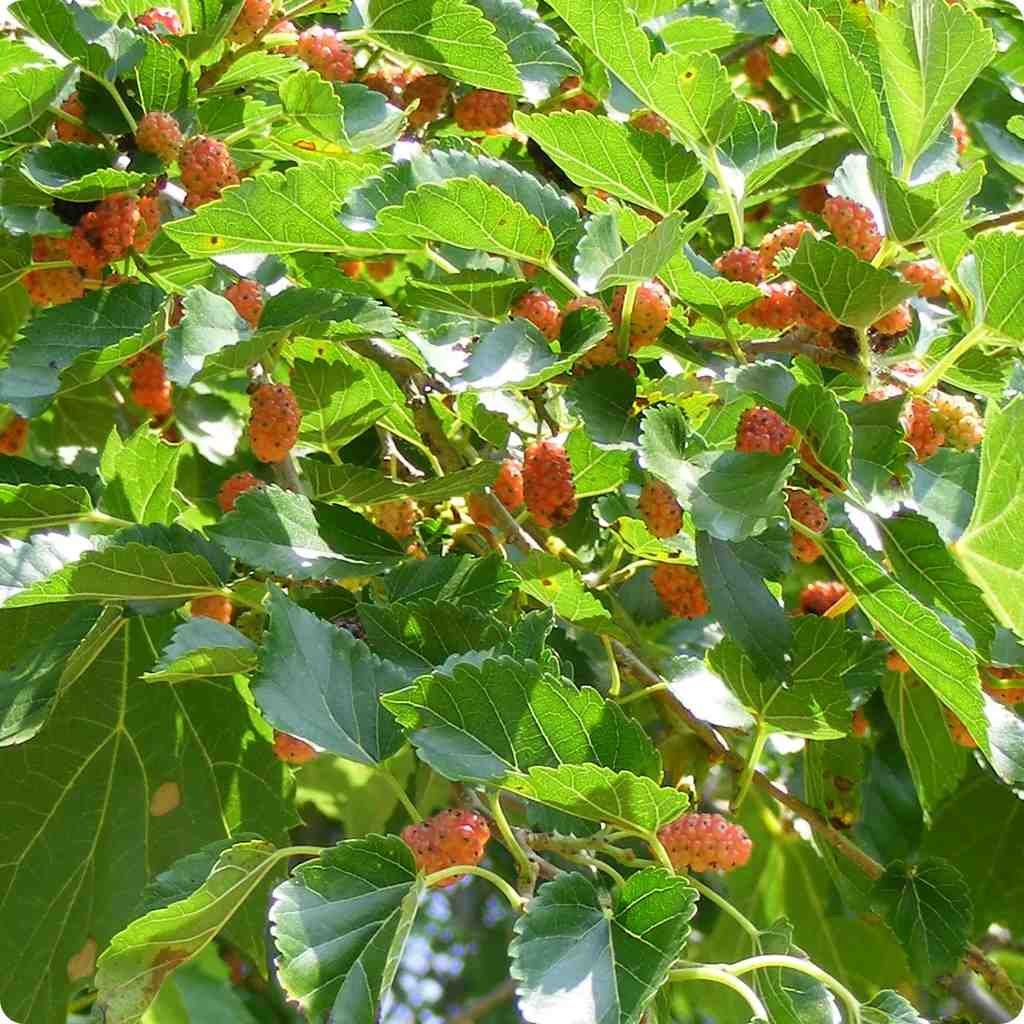
Fruit: Black, Purple, Red
Bloom Time: Mar, Apr, May, Jun
Wildlife Value: Fruits are used by mammals and birds
Type: Tree
Other Names: Moral
Range: S. Ontario east to Massachusetts, south to S. Florida, west to central Texas and north to SE. Minnesota; to 2000 (610 m).
Typical Mature Height: 12-36 ft
Light Requirement: Sun, Part Shade, Shade
Soils: Dry, Moist
Uses: Understory tree, Attractive, Fruits ornamental, Native Americans used the fruits fresh and for beverages, breads and cakes, dumplings and preserves, and mixed dried fruits with animal fat for pemmican. Red mulberry fruits have long been used in Appalachia for raw fruit, pies, jams, juice and wine. (Athenic). Ripe fruits are eaten raw or made into pies, jellies, or jams. Also used in breads, muffins, and cakes. (Poisonous Plants of N.C.), Native Americans used the the plant medicinally as a worming agent, remedy for dysentery, laxative and emetic. The wood is used locally for fenceposts, furniture, interior finish, and agricultural implements. Choctaw Indians and many other indigenous people wove cloaks from the fibrous inner bark of young mulberry shoots.
Warning: Unripe fruit and milky sap from all parts have low toxicity if eaten. Symptoms include hallucinations and stomach upset. Toxic Principle: Unidentified.